In the Shadows of the Digital Curtain: Mysteries of Dark Web Economy


Within the recesses of the online world resides a hidden realm that functions far from the watchful eyes of traditional web users. This realm, known as the shadow web, serves as a hub for items and offerings that are often swathed in confidentiality. Having its roots in anonymity and non-governed trade, the dark web has turned into a central focus for various forms of commerce, ranging from the benign to the illicit.
Investigating the dark web is like walking through a digital veil, where faceless transactions happen regularly. Shadow markets have gained fame for facilitating the trade of contraband, narcotics, forged goods, and even further nefarious services. Yet, this covert economy is not exclusively marked by its shadowy sides; it also mirrors the nuances of a cyber age where privacy, security, and expression rights intersect. Understanding the dynamics of these shadow net markets discloses much about the motivations of those who take part in them, as well as the larger ramifications for the community.
Grasping the Dark Web
The shadow web is a part of the internet that is typically not indexed by common search engines and necessitates dedicated software to access. This concealed realm sits beneath the visible web, which is the exposed part of the internet that the majority of users utilize daily. While the dark web frequently has a perception for illicit activities, it also serves as a platform for privacy-oriented communication, enabling users to share information and communicate freely, notably in repressive regimes.
Entering the dark web usually involves the use of unique browsers like Tor, which masks user activity and obscures locations. This digital layer is crucial to the dark web’s infrastructure, allowing users to engage in activities without the concern of government oversight. Although this anonymity is frequently exploited for criminal transactions, it can also support legitimate uses such as civic activism, whistleblowing, and maintaining personal privacy.
Dark web markets function under various names and offer a selection of goods and services, many of which remain outside the legal framework. These markets facilitate anonymous transactions, frequently using cryptocurrencies to enhance the privacy of buyers and sellers. Despite the intrinsic risks associated with these activities, the dark web persists to attract individuals drawn by the appeal of anonymity and the promise of illegal goods and services, all contributing to the complicated ecosystem of dark web commerce.
Anatomy of Dark Web Markets
Darknet markets operate as online platforms that enable the exchange of a wide range of products and services, often operating outside the limitations of law. These markets are usually visited through particular programs such as Tor, which masks user identities and provides a veil of confidentiality over exchanges. Within this environment, vendors hold various positions, from selling illicit drugs and fake products to providing cyber services and compromised information. Each market has its own set of rules, interfaces, and payment systems, with digital currencies like Bitcoin being the most prevalent form of transaction to ensure privacy.
The structure of dark web markets often resembles classic e-commerce sites, with product listings featuring visuals, details, and client ratings. However, the character of the products being sold means that trust and reliability play a vital role in vendor success. Users typically depend on ratings and reviews from previous buyers to assess the reliability of a seller. This crowd-sourced aspect helps to regulate and preserve the integrity of offerings within these markets, despite the natural hazards involved in purchasing illicit products.
In addition to the customer-vendor dynamic, dark web markets also include various safeguards to protect both sides. Escrow arrangements are employed to retain payment until the buyer acknowledges receipt of the item, reducing the likelihood of fraud. Site operators oversee activities to some extent and can remove issue-prone accounts or vendors, attempting to create a safer setting. However, the ever-evolving landscape of law enforcement tactics and the continual rise of new markets mean that participants in dark web commerce must remain vigilant and adaptive to these shifting circumstances.
Risks and Legal Consequences
Engaging in deals within darkweb markets carries significant dangers that can lead to serious consequences for people. darknet markets links of the primary issues is the potential for frauds. Many individuals are enticed by promises of rare items or services, only to end up defrauded out of their funds without any way to recover. The hidden nature of these sites can make it challenging to hold sellers responsible, leading to financial losses for naive customers.
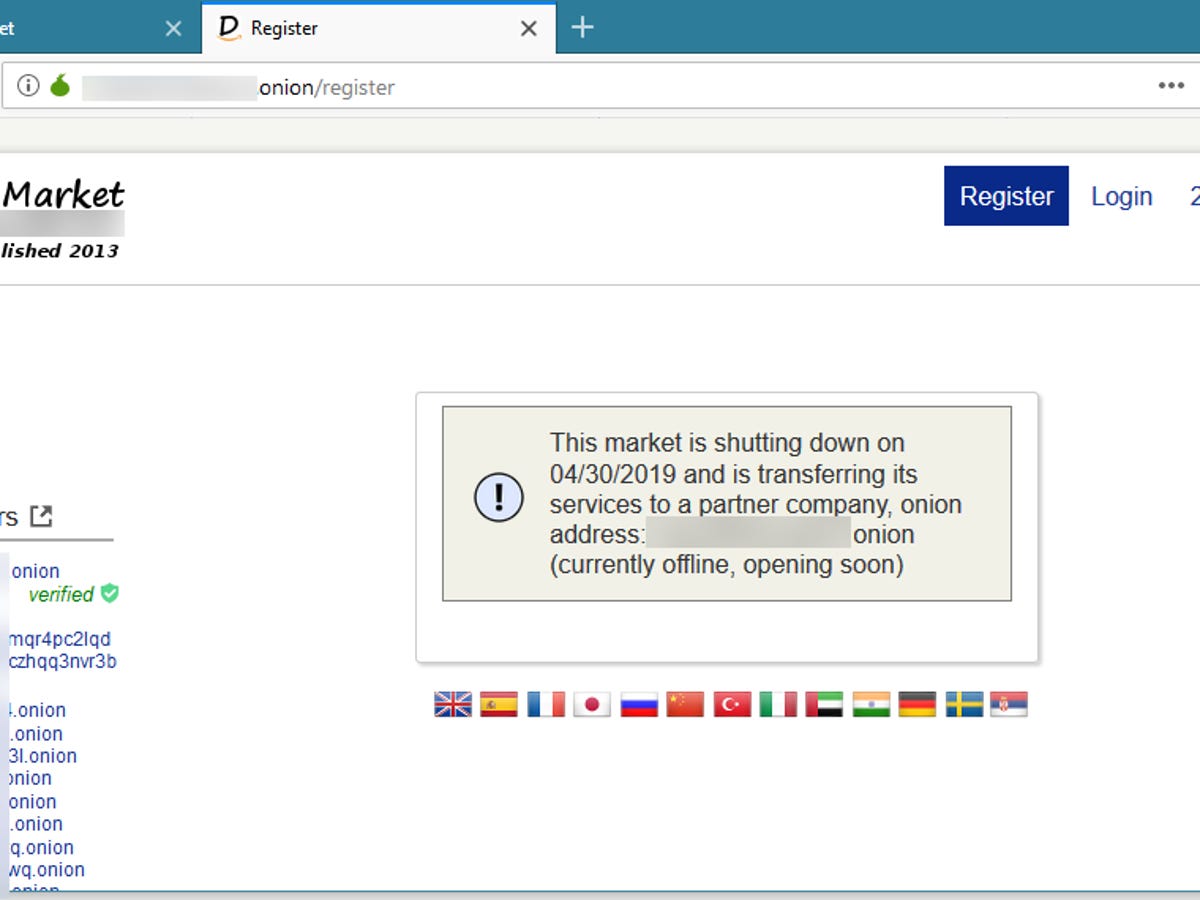
Legal aspects are another essential aspect to think about. Authorities worldwide are growing increasingly vigilant in surveilling activities on the dark web. Buying or selling unlawful goods, such as narcotics or illegally obtained data, can lead to severe punishments, including detention and prosecution. Law enforcement authorities have created sophisticated methods to track transactions and collect evidence against individuals involved in illegal commerce on these hidden markets.
Beyond legal consequences, there are broader social impacts to darkweb transactions. The presence of these markets contributes to the proliferation of illegal activities, which can have ripple effects on society. From the trafficking of prohibited drugs to the trading of stolen personal information, the darkweb fuels a vicious cycle of crime that can weaken public security and confidence, further hindering efforts to combat such problems in society.